Are you torn between the surf and the still water when choosing a Palm Beach home? You’re not alone. Oceanfront and Intracoastal properties offer two very different ways to live on the island, each with its own rewards and responsibilities. In this guide, you’ll get a clear, side‑by‑side look at lifestyle, maintenance, insurance, and permitting realities, so you can decide which frontage fits you best. Let’s dive in.
How Palm Beach waterfronts differ
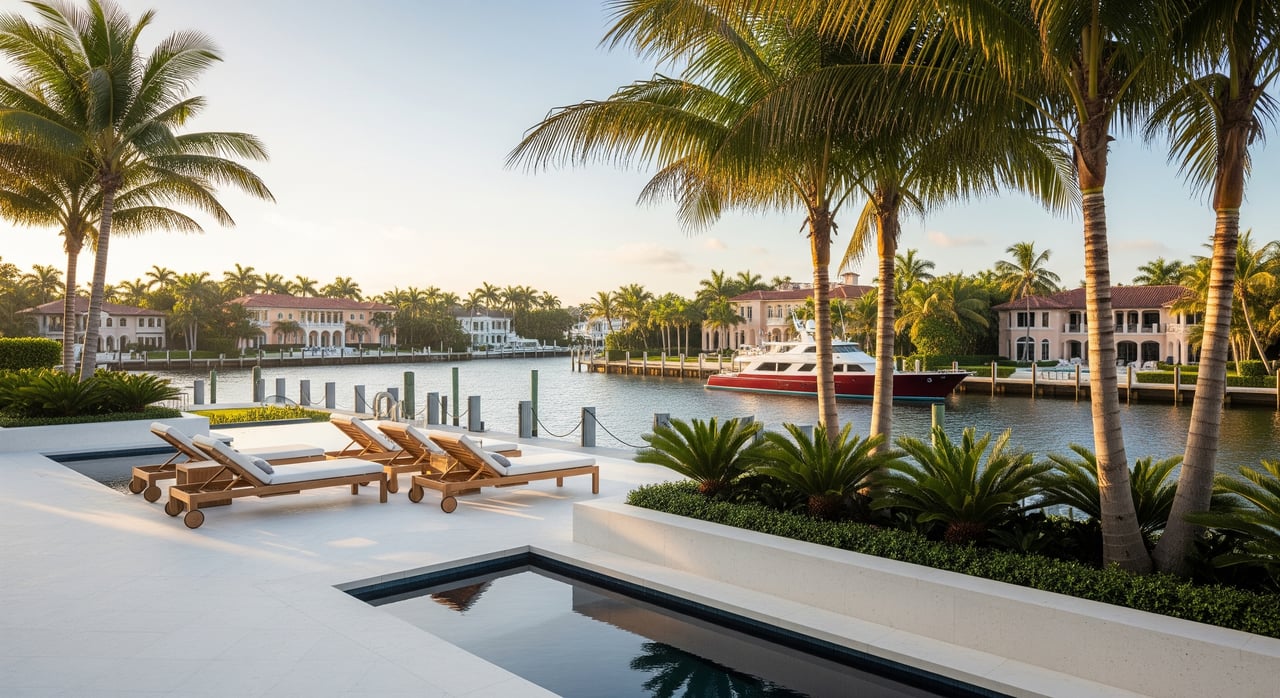
Palm Beach sits on a barrier island with two distinct edges. Oceanfront homes face the Atlantic with direct beach access and wide horizon views. Intracoastal homes line the Lake Worth Lagoon, a protected waterway where docks, marinas, and calmer conditions define daily life.
Oceanfront typically commands a premium for direct beach and open water views. Intracoastal estates are prized for private docks, easier boating, and a sense of sheltered privacy. Your decision comes down to the kind of water you want to live with every day.
Lifestyle: oceanfront vs Intracoastal
Privacy and access
- Oceanfront: Florida beaches are often public up to the mean high‑water line. You may see day users near public access points, though dune buffers and private yards provide separation on many parcels.
- Intracoastal: Waterfront here is typically more private, with limited pedestrian traffic. Proximity to marinas or clubhouses can add activity at certain hours.
Recreation and boating
- Oceanfront: Ideal for ocean swimming, surfing, sunrise walks, and watching sea turtle nesting in season. It’s not usually a practical launch point for larger powerboats.
- Intracoastal: The clear win for boaters. Many properties have private docks with direct access to the waterway and nearby inlets. Dockage depends on permits, bridge clearances, and channel depths.
Noise and ambience
- Oceanfront: Expect wind and surf as part of the soundtrack. Beach entrances can bring periodic foot traffic, especially in high season.
- Intracoastal: Generally quieter shores with some boat and marina movement. Evenings often bring reflective water and sunset views toward the mainland.
Views and orientation
- Oceanfront: Wide, open eastward views with dramatic sunrises.
- Intracoastal: Framed water vistas that may include docks and mangroves. Calmer mornings are common, with many properties enjoying sunset glow.
Property design and neighborhood character
Building types you’ll see
- Oceanfront: Historic mansions, estate lots, and high‑end condos, all shaped by dune and beach setbacks.
- Intracoastal: Single‑family estates with docks, townhouses, and mid‑ to high‑rise waterfront condos that center on boat access.
Lots, dunes, and seawalls
- Oceanfront: Homes often use elevated foundations and specialized materials that handle wave runup, UV, salt, and sand movement. Landscaping and access follow dune protection rules.
- Intracoastal: Seawalls, bulkheads, and private docks are common. Seawall condition and elevation are central considerations for both maintenance and permitting.
Design review and historic context
The Town of Palm Beach has strong design review and historic preservation processes. Location can affect allowable footprints and façade orientation. If you plan to renovate or build, you’ll want to understand town approvals early.
Insurance, flood zones, and permits
Flood risk and insurability
- Oceanfront: Many parcels fall in high‑hazard FEMA zones like VE, with higher base flood elevations and wave exposure. This can raise flood insurance costs and influence foundation design.
- Intracoastal: Properties may sit in AE or, in some areas, VE zones as well, but wave action is generally lower. Premiums depend on the exact FEMA flood zone and elevation.
Owners typically combine windstorm coverage with flood policies through the National Flood Insurance Program or private carriers. In Florida, wind coverage may be private market or through state options depending on availability.
Coastal regulations to know
- Oceanfront: The Florida Coastal Construction Control Line program can apply, along with local dune and beach protection ordinances. Public projects like beach renourishment and dune restoration can shape your frontage experience over time.
- Intracoastal: Docks, seawalls, and work in navigable waters require permits from federal, state, and local agencies. Environmental reviews and seasonal restrictions may apply, especially where wetlands or protected habitats are involved.
Seasonal and wildlife timing
- Oceanfront: Sea turtle nesting season can limit lighting, nighttime activity, and certain construction windows.
- Intracoastal: Dredging, dock installation, or mangrove trimming often face timing restrictions to protect fish and bird breeding seasons.
Maintenance realities you should expect
Oceanfront upkeep
- Dune and beach stewardship
- Sandblasting or specialized cleaning to manage salt and sand
- Impact‑rated windows and doors, corrosion‑resistant finishes
- Ongoing prevention of sand intrusion into living areas and systems
Intracoastal upkeep
- Seawall and dock inspections, repairs, and elevation assessments
- Corrosion control for marine metals and woods
- Monitoring wake‑related erosion and boat traffic impacts
Both frontages require hurricane readiness. Plan for shutters or impact glazing, secure storage for outdoor furniture, tie‑downs for boats and lifts, and clear evacuation and re‑entry procedures.
Staffing, logistics, and seasonal living
Palm Beach is highly seasonal, with many residents in residence from roughly November to April. Seasonal owners often rely on property managers for maintenance, vendor coordination, and hurricane procedures. Larger estates may use housekeepers, grounds teams, or dockhands, with attention to service access and parking.
Island logistics can affect deliveries and construction. Narrow streets, bridge traffic during high season, and rules for commercial vehicles matter, especially for renovations or large furnishings. Oceanfront parcels near public beach entrances may see more foot traffic, while Intracoastal homes often simplify boat deliveries and service calls at the dock.
Climate, shoreline stewardship, and long‑term risk
Different exposures by frontage
- Oceanfront: Erosion, dune migration, storm surge, and wave energy shape long‑term planning. Public beach renourishment and dune protection are ongoing efforts but not permanent solutions.
- Intracoastal: Rising baseline water levels, more frequent tidal flooding, and saltwater intrusion can stress seawalls and drainage systems.
Financial and planning implications
Over time, higher insurance premiums, stronger building standards, and evolving seawall or dune requirements can raise ownership costs. Local adaptation plans and capital projects may influence permitting, infrastructure, and potential assessments. It is wise to factor these items into your multi‑year outlook.
Which frontage fits your lifestyle?
Choose oceanfront if you want:
- Daily beach walks, swimming, and surf culture outside your door
- Wide horizon views and sunrise light
- A prestige address with direct beach connection and a dynamic shoreline
Choose Intracoastal if you want:
- Private dockage and straightforward access to the ICW and nearby inlets
- Calmer water, sunset views, and a more sheltered setting
- A waterfront experience centered on boating and ease of access
Many buyers value both experiences. If that is you, consider an Intracoastal primary with a beach club membership or a condo pied‑à‑terre on the ocean, or the inverse. Your final plan can reflect how you actually spend your time in season.
Due diligence checklist for Palm Beach buyers
Use this list to frame your pre‑contract and inspection process:
- Verify FEMA flood zone, Base Flood Elevation, and any elevation certificates.
- Collect permits for seawalls, docks, dredging, beach or dune work, and major renovations.
- Review storm damage history, repairs, and any insurance claims.
- Read HOA or condo bylaws on rentals, dock use, boat size, guest access, and staffing. Request financials and reserve studies where available.
- Commission condition reports for seawalls, docks, boat lifts, and bulkheads. A marine or coastal engineer is recommended.
- Order a structural inspection focused on salt exposure, corrosion, pests, and foundation elevation.
- Confirm local permitting limits, including dune setbacks, CCCL applicability, and any open code issues.
- Assess service availability: property managers, marinas, boatyards, contractors, and seasonal provisioning.
- Study neighborhood access and circulation, including bridge proximity, high‑season traffic, and vendor parking rules.
Resale and investment lens
Both oceanfront and Intracoastal properties can be highly desirable. Oceanfront often carries strong prestige but can narrow the buyer pool due to maintenance and insurance profiles. Intracoastal estates with quality dockage appeal to boaters and seasonal luxury buyers. Micro‑location, lot width and depth, dock rights, and structural condition drive value more than labels alone.
If rental income is part of your strategy, confirm town and association rules early. Many high‑end communities limit short‑term rentals. Seasonal timing will also shape demand and achievable rates.
Your next move
If you want a quiet, protected waterfront with hands‑on boating, the Intracoastal may be your match. If you live for salt air sunrises and a direct relationship with the Atlantic, oceanfront delivers that daily rhythm. The right answer is the one that aligns with how you will use the property, your tolerance for shoreline stewardship, and your risk and insurance comfort.
When you are ready to compare specific addresses, permits, and flood elevations side by side, have a discreet advisor assemble the full picture. For white‑glove guidance, off‑market sourcing, cross‑border capabilities, and crypto‑friendly settlement options, schedule a private consultation with Anthony Clemenza.
FAQs
What is the main difference between Palm Beach oceanfront and Intracoastal living?
- Oceanfront gives you direct Atlantic beach access and wide sunrise views, while Intracoastal focuses on private dockage, calmer water, and boating convenience.
Are Palm Beach oceanfront beaches private or public?
- In Florida, beaches are often public up to the mean high‑water line, so oceanfront properties can see day users near public access points.
Which frontage is better for boating in Palm Beach?
- Intracoastal properties usually offer private docks and direct access to the waterway and inlets, subject to permits, bridge clearances, and channel depths.
How do flood zones and insurance differ between oceanfront and Intracoastal?
- Oceanfront parcels are often in VE coastal zones with higher wave exposure and elevated insurance needs, while Intracoastal parcels may be in AE or VE zones with generally lower wave action but still meaningful flood risk.
What permits should I check before buying a Palm Beach waterfront home?
- Confirm building permits, seawall and dock permits, any dredging or shoreline work, dune or beach approvals, and review HOA rules and code enforcement history.
What maintenance is unique to Palm Beach oceanfront homes?
- Expect dune and beach stewardship, specialized cleaning for salt and sand, corrosion‑resistant materials, and sand intrusion prevention.
What maintenance is unique to Intracoastal homes in Palm Beach?
- Regular seawall and dock inspections, corrosion control for marine materials, and monitoring wake impacts from boat traffic.
Do Palm Beach HOAs allow short‑term rentals for waterfront properties?
- Rules vary by association and municipality, and many high‑end communities restrict short‑term rentals, so verify before you buy.